


Sandra Porps, AuD
Head of Audiology
Dr. Porps brings a wealth of expertise in patient care, hearing aid technology, and treatment of hearing disorders.
⭐⭐🛒Over $39.99 Free Shipping ✈🌎 Worldwide Shipping ✅ 90-Day Free Returns
⭐⭐🛒Over $39.99 Free Shipping ✈🌎 Worldwide Shipping ✅ 90-Day Free Returns
⭐⭐🛒Over $39.99 Free Shipping ✈🌎 Worldwide Shipping ✅ 90-Day Free Returns
⭐⭐🛒Over $39.99 Free Shipping ✈🌎 Worldwide Shipping ✅ 90-Day Free Returns
⭐⭐🛒Over $39.99 Free Shipping ✈🌎 Worldwide Shipping ✅ 90-Day Free Returns
⭐⭐🛒Over $39.99 Free Shipping ✈🌎 Worldwide Shipping ✅ 90-Day Free Returns
⭐⭐🛒Over $39.99 Free Shipping ✈🌎 Worldwide Shipping ✅ 90-Day Free Returns
⭐⭐🛒Over $39.99 Free Shipping ✈🌎 Worldwide Shipping ✅ 90-Day Free Returns
⭐⭐🛒Over $39.99 Free Shipping ✈🌎 Worldwide Shipping ✅ 90-Day Free Returns
⭐⭐🛒Over $39.99 Free Shipping ✈🌎 Worldwide Shipping ✅ 90-Day Free Returns
⭐⭐🛒Over $39.99 Free Shipping ✈🌎 Worldwide Shipping ✅ 90-Day Free Returns
⭐⭐🛒Over $39.99 Free Shipping ✈🌎 Worldwide Shipping ✅ 90-Day Free Returns
⭐⭐🛒Over $39.99 Free Shipping ✈🌎 Worldwide Shipping ✅ 90-Day Free Returns
⭐⭐🛒Over $39.99 Free Shipping ✈🌎 Worldwide Shipping ✅ 90-Day Free Returns
⭐⭐🛒Over $39.99 Free Shipping ✈🌎 Worldwide Shipping ✅ 90-Day Free Returns
⭐⭐🛒Over $39.99 Free Shipping ✈🌎 Worldwide Shipping ✅ 90-Day Free Returns
Spend $39.99 more to get FREE shipping!
If conversations, TV dialogue, or softer voices are becoming harder to follow, it may be time for a different kind of hearing support.
This bone conduction hearing aid
combines acoustic sensing, digital signal processing,
sound amplification, and bone conduction transmission.
Built-in microphones capture surrounding speech and
environmental sound, converting them into digital signals
that can be processed and enhanced in real time.
A four-stage hearing process captures, processes, enhances, and transmits surrounding sound in real time.
Integrated microphones detect voices and surrounding acoustic information in real time.
The incoming signal is analyzed and adjusted to help improve the audibility and distinction of speech.
Important speech information and softer sounds can be strengthened to make everyday conversations easier to perceive.
The processed signal is converted into controlled mechanical vibrations and transmitted through the bones surrounding the ear while the ear canal remains open.
A hearing system designed around sound capture, digital processing, amplification, and bone conduction.
The primary purpose of a bone conduction hearing aid is to help make speech and important everyday sounds easier to hear for people experiencing hearing difficulty. Unlike traditional in-ear devices, bone conduction technology delivers sound through controlled vibrations while keeping the ear canal open. When hearing difficulty is left unaddressed, communication can become more challenging and people may begin withdrawing from conversations and social situations.
Virexo Bone Conduction Hearing Aid offers a different approach to everyday hearing assistance. By combining microphone sound capture, digital signal processing, sound amplification and open-ear bone conduction technology, Virexo is designed to support clearer everyday listening without placing a traditional hearing device inside the ear canal.
Many adults who could benefit from hearing support never use a hearing device. Cost, limited access to hearing care, confusion about treatment options, and gradual hearing difficulty can all delay action.
Many adults who experience hearing difficulty delay using a hearing device, even when everyday conversations, television dialogue, and softer voices are becoming harder to follow.
Access to hearing support, uncertainty about treatment options, and the gradual nature of hearing changes are all common reasons why people wait too long before taking action.
Virexo Bone Conduction Hearing Aids offer a different approach by combining open-ear comfort, modern sound processing, and easier everyday use, helping make hearing support feel more practical and approachable.
Hearing loss can feel like slowly backing away from the people and conversations that matter most.
This bone conduction hearing aid is designed to capture surrounding voices and everyday sounds, process them digitally, and provide real-time hearing assistance without placing a traditional earbud inside the ear canal.
Built-in microphones pick up external sound, digital processing helps make speech more distinguishable, and amplification strengthens important audio before the processed signal is delivered through bone conduction.
Hear the same conversation with and without hearing assistance. Built-in microphones capture surrounding speech, while digital processing and sound amplification help make important voices easier to perceive.
Johns Hopkins found that untreated hearing loss greatly increased the risk of dementia:
A JAMA report showed that those with untreated hearing loss encountered:

Bone conduction hearing aids may provide an alternative form of hearing assistance for adults who notice that speech, television dialogue, or softer voices are becoming more difficult to follow. By keeping the ear canal open while delivering sound through bone-conduction vibrations, they offer a different listening experience from traditional in-ear hearing devices.
If you have difficulty following conversations in groups, find yourself increasing the television volume, or notice that softer voices are becoming harder to understand, you may benefit from exploring bone conduction hearing assistance.
Bone conduction hearing aids combine external microphone sound capture, digital signal processing, amplification, and bone-conduction transmission to support everyday listening while leaving the ear canal open.
You miss parts of words. Certain consonants or syllables may become harder to distinguish, making similar-sounding words easier to confuse.
You frequently ask people to repeat themselves. You may hear that someone is speaking but miss individual words or parts of the conversation.
Quiet speech is harder to understand. Softer voices, whispering, or dialogue in larger spaces may become more difficult to follow.
Similar words or numbers sound alike. Small differences between sounds may become less obvious, making certain words or numbers easier to confuse.
You move closer to hear better. You may sit closer to the television, a speaker, or the person you are talking with.
Conversations from another room are difficult. You may prefer family members to speak closer because voices from farther away are harder to understand.
Modern hearing technology — Experience real, FDA-registered OTC hearing aids designed by doctors to assist 94% of Americans with hearing loss—no prescription or clinic visits needed.
Guided by professionals — Our dedicated U.S.-based team of audiologists and licensed hearing specialists are here to help guide you in your decision, setup, and ongoing support, so you can make the most of your hearing.
Completely risk-free — Your satisfaction is guaranteed. Every Virexo hearing aid comes with a 30-day risk-free trial so you have time to get comfortable and feel confident.

Dr. Porps brings a wealth of expertise in patient care, hearing aid technology, and treatment of hearing disorders.

Jeff Feltes was licensed in 2008 and offers a comprehensive understanding of diverse hearing challenges.

Dr. Mbachu brings a wide range of experience in hearing health education, counseling, evaluation, and treatment.
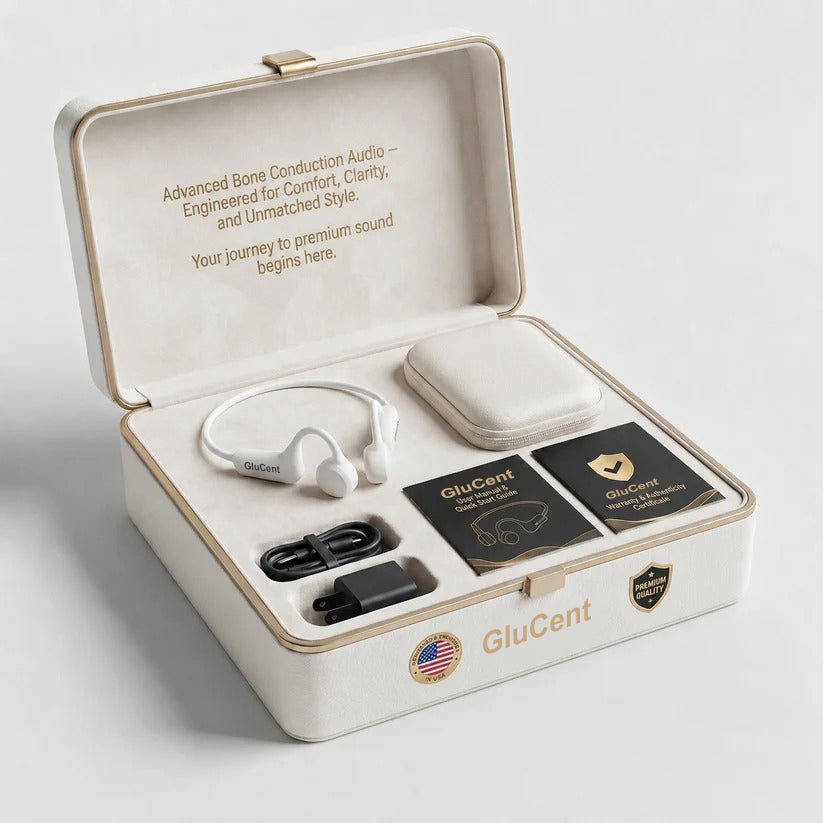
🔥GluCent™Bone Conduction Hearing Aids Hear The Sounds You Should Hear! Made in the USA💖


Secure Payment with PayPal
Your payment is securely processed through PayPal. Continue to checkout to complete your order using our secure payment process.


Everyday experiences with open-ear bone conduction hearing assistance for conversations, television, family time and daily listening.

I was constantly asking my family to repeat themselves, especially when several people were talking at once. With this bone conduction hearing aid, voices feel easier for me to follow while my ears stay open to the sounds around me.

I never liked the feeling of traditional devices sitting inside my ears for long periods. This bone conduction hearing aid rests outside the ear canal, so I can wear it around the house and during conversations without that plugged-up feeling.

I had gradually started turning the television louder and louder just to understand what people were saying. The bone conduction hearing assistance helps bring dialogue forward, so watching TV feels more comfortable without constantly reaching for the volume control.

I expected a hearing device to be complicated, but this one was much easier to get used to than I thought. The open-ear bone conduction design is simple to put on, and after learning the controls, it quickly became part of my everyday routine.
Bone conduction hearing aids use a different approach from traditional in-ear hearing devices. Instead of placing a speaker inside the ear canal, they deliver processed sound through controlled bone-conduction vibrations.
Built-in microphones capture surrounding voices and everyday sounds, while digital processing and amplification help make important speech easier to perceive.
Because the ear canal remains open, bone conduction hearing assistance can provide a more open and comfortable listening experience for some users.
Our focus is simple setup, open-ear comfort, accessible bone conduction hearing technology, and convenient everyday use.
Age-related hearing changes are often gradual, which means it can be difficult to notice how much your hearing has changed over time.
You may first notice subtle signs such as asking people to repeat themselves, increasing the TV volume, missing softer voices, or finding conversations harder to follow in busy environments.
Bone conduction hearing assistance offers an open-ear approach for everyday listening, helping support conversations, television dialogue, and other important sounds without placing a traditional hearing device inside the ear canal.
Hearing needs vary from person to person. Bone conduction hearing assistance may be suitable for adults who experience difficulty following everyday conversations, television dialogue, or softer voices.
Because getting comfortable with a new bone conduction hearing device can take time, your purchase includes a 30-day risk-free trial so you can experience it in your own everyday listening environments.
If you experience sudden hearing loss, severe hearing difficulty, ear pain, drainage, significant dizziness, or hearing loss in only one ear, consider consulting a qualified hearing healthcare professional.
Adjustment time varies from person to person. When you begin using bone conduction hearing assistance, voices and everyday sounds may initially feel different from what you are used to.
Wearing the device consistently in familiar environments can help you gradually become more comfortable with the open-ear bone conduction listening experience.
We want you to have enough time to experience the bone conduction hearing aid during normal conversations, television viewing, family time, and everyday activities.
That's why your purchase is covered by our 30-day risk-free trial. If the bone conduction hearing device isn't the right fit for you, you can contact our customer support team within the applicable return period.


